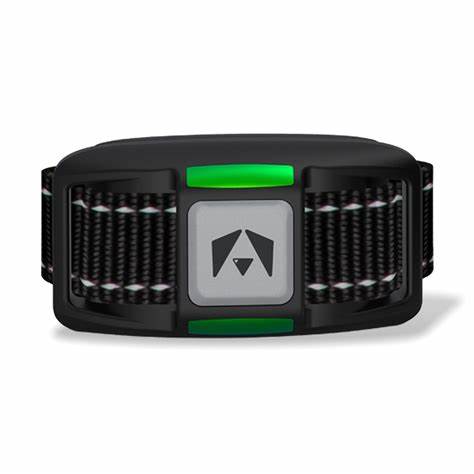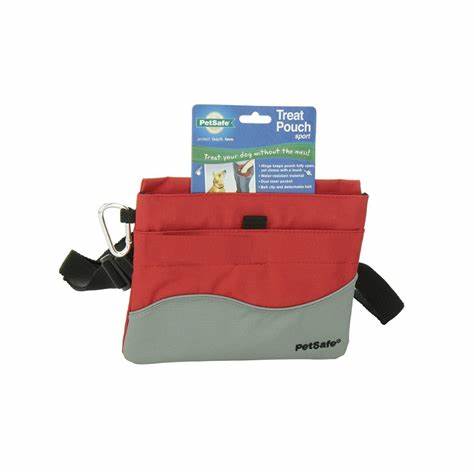

Freeze Miser attached to a Y reduces the need to leave water running or wrap all of your pipes. AgriLife photo courtesy of www.lowes.com, 2025
Hopefully, everyone had a great Christmas and New Year’s last month. If you follow us on Facebook, you should have seen a couple of posts about making your LGD’s Christmas a little brighter, which should have made you smile. We also posted about some New Year’s Resolutions from the dogs at the AgriLife Center.
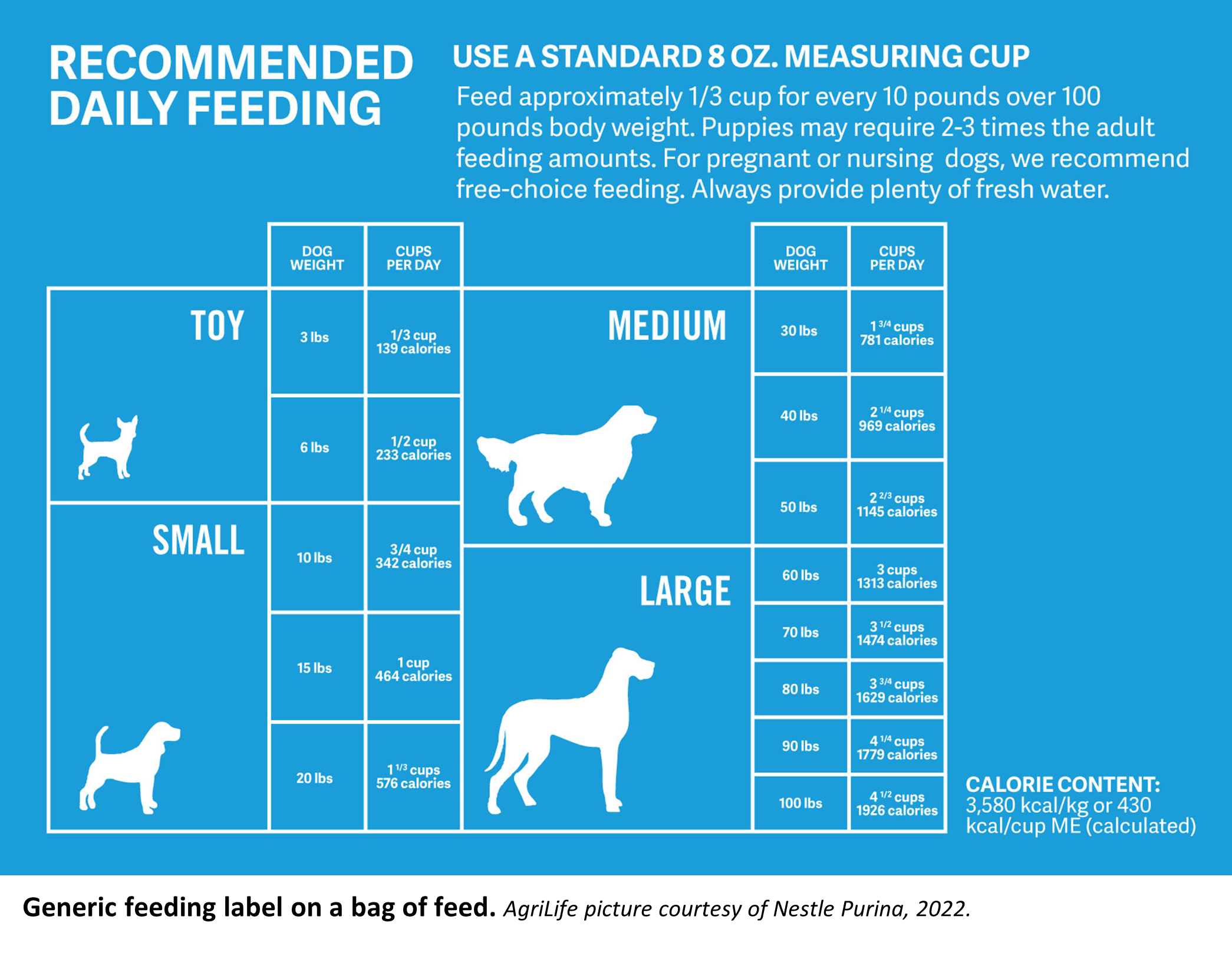
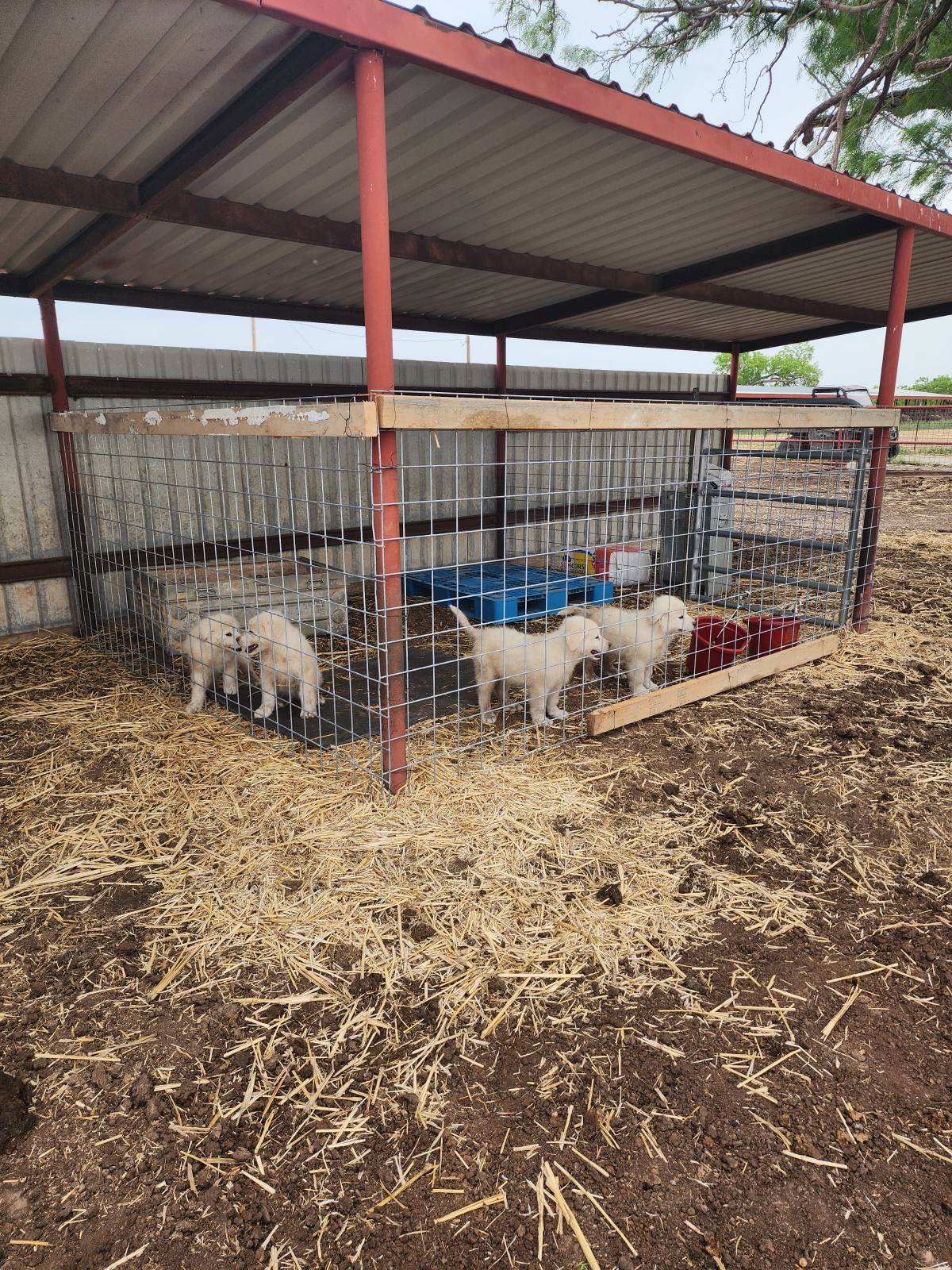
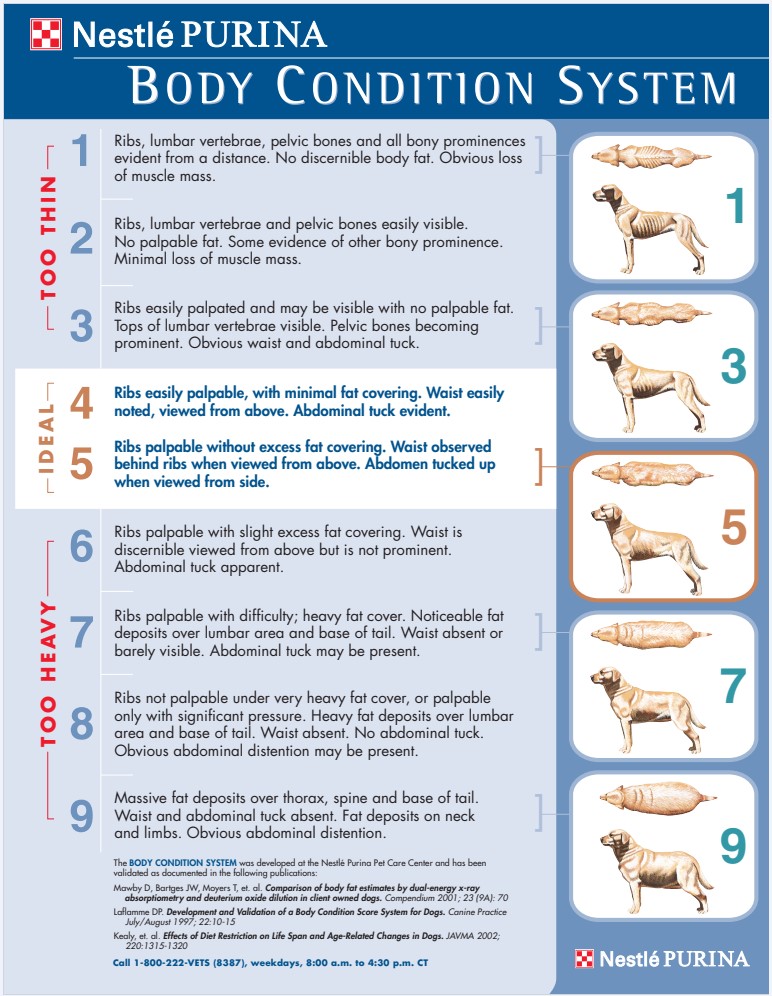
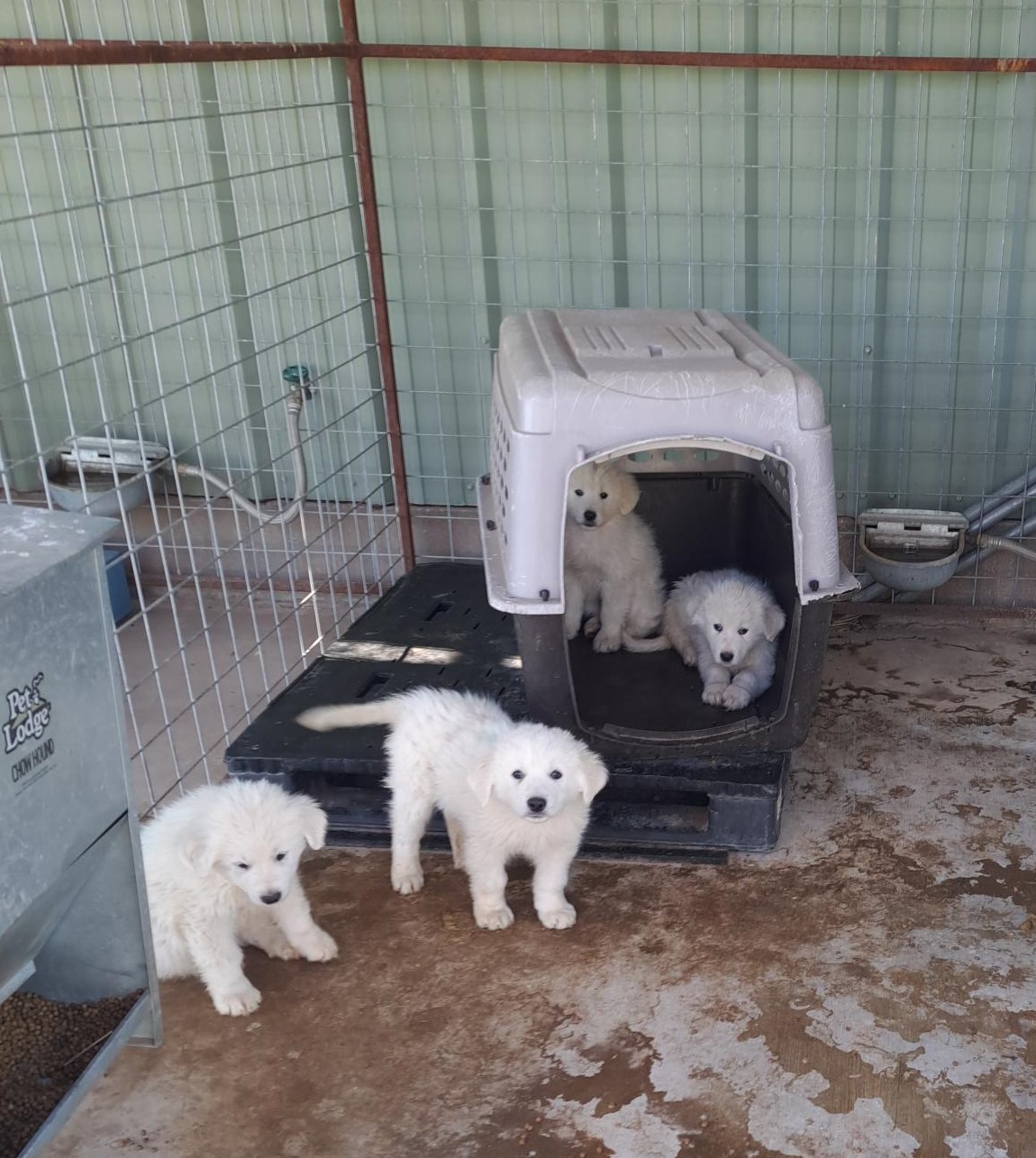
With the chilly weather coming soon to Texas, we encourage you to check your dogs’ BCS and make sure they and livestock have areas to protect themselves from wind, rain, sleet, and possibly snow that comes for a few weeks each year. You may want to install some Freeze Misers if you have not already. Those things have worked great for me the past couple of years, and I would definitely recommend them over wrapping up valves with foam. There is probably still a need to cover exposed pipes, as I do not yet fully trust those devices.
AgriLife Livestock Guardian Dog Program: Update and Events
Dr. Katherine Lord presented another great webinar on November 20th. Dr. Lord shared data from the Darwin’s Ark Canine DNA Project’s working dog collection. She reviewed some interesting findings on DNA and also spoke about a new project that will start soon. We strongly encourage all LGD owners to participate in the working dog projects to help gather data on several types of working dog breeds. You can watch it on our YouTube channel @TAMUlivestockguarddog.
Our next webinar is scheduled for February 19th at 3 pm. This quarter’s webinar will be on the Pyrenean Mastiff breed of LGDs and will be presented by James Desana. Check our Facebook page @TAMUlivestockguarddog for more information as the event gets closer, and visit the Center’s events page to register.
What is a Livestock Guardian Dog?
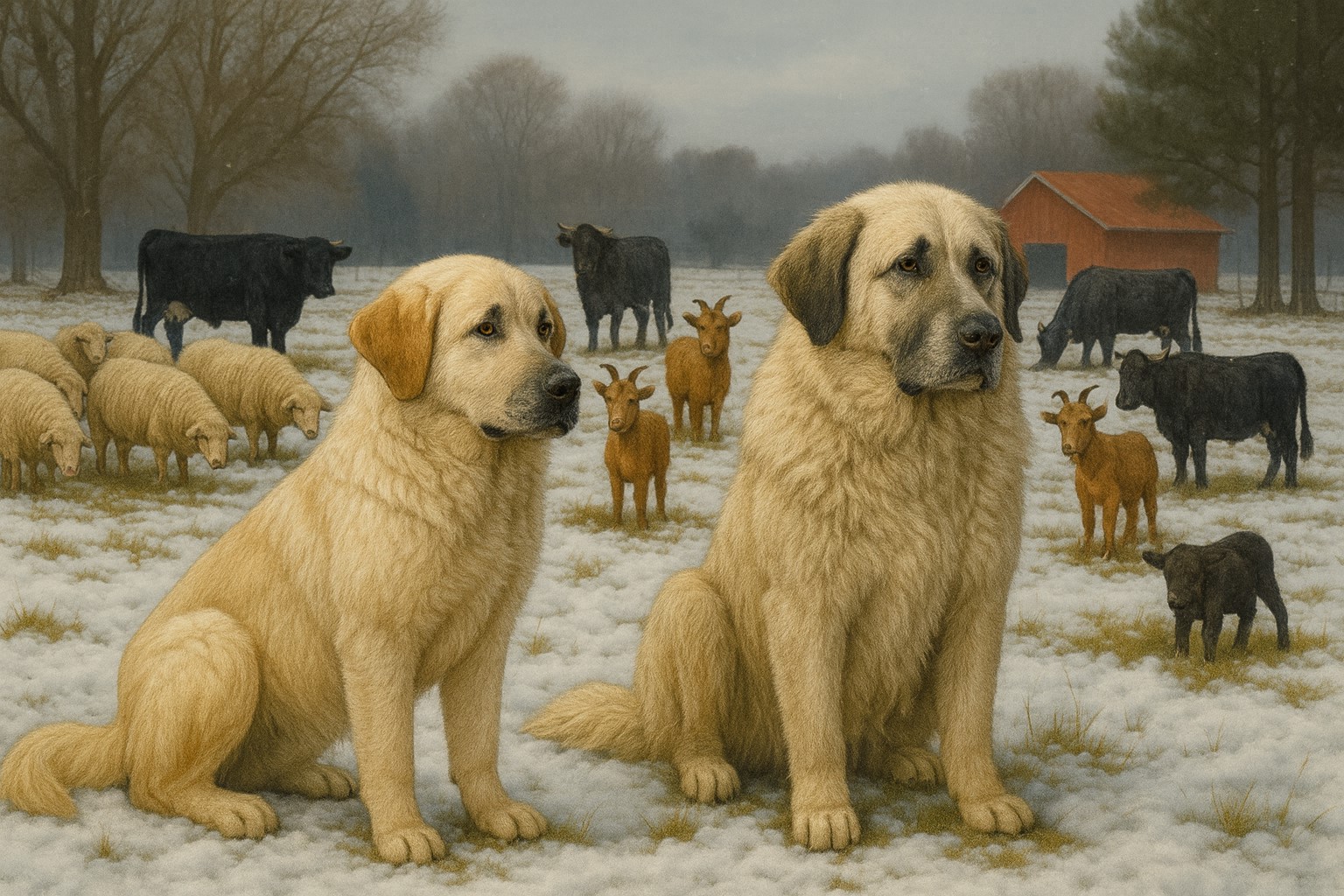
This month, we conclude a two-part series explaining LGDs, or livestock guardian dogs, bred to defend livestock from predators. These medium-to-large dogs, often weighing over 100 pounds, mainly protect sheep and goats. In some areas, LGDs also guard native birds, cattle, or poultry. Ranchers in regions with wolves and bears rely heavily on these dogs to protect their livestock.
Guarding Behaviors
LGDs display a variety of behaviors shaped by centuries of selective breeding. During the day, they may patrol or rest near the herd, while in

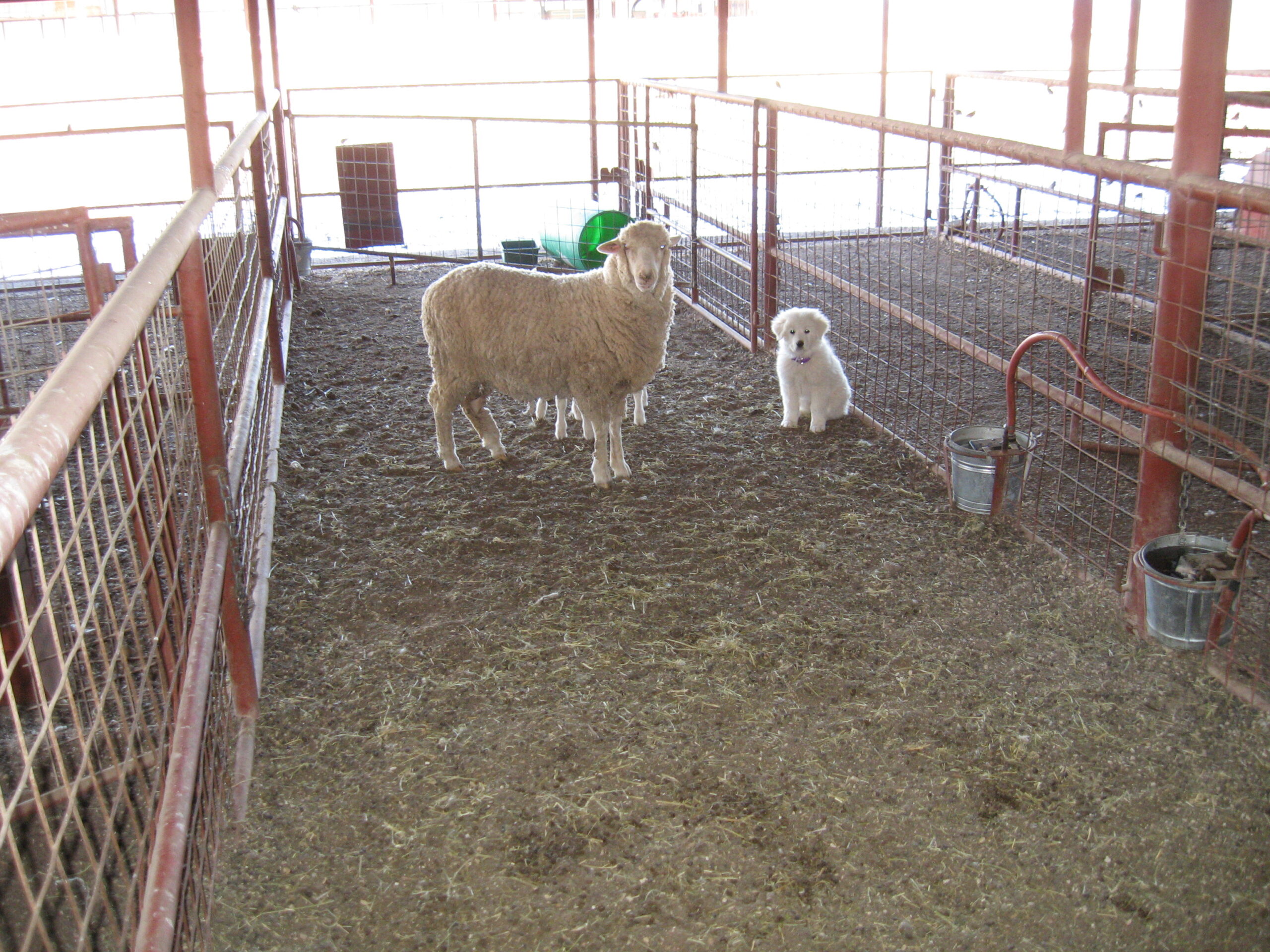
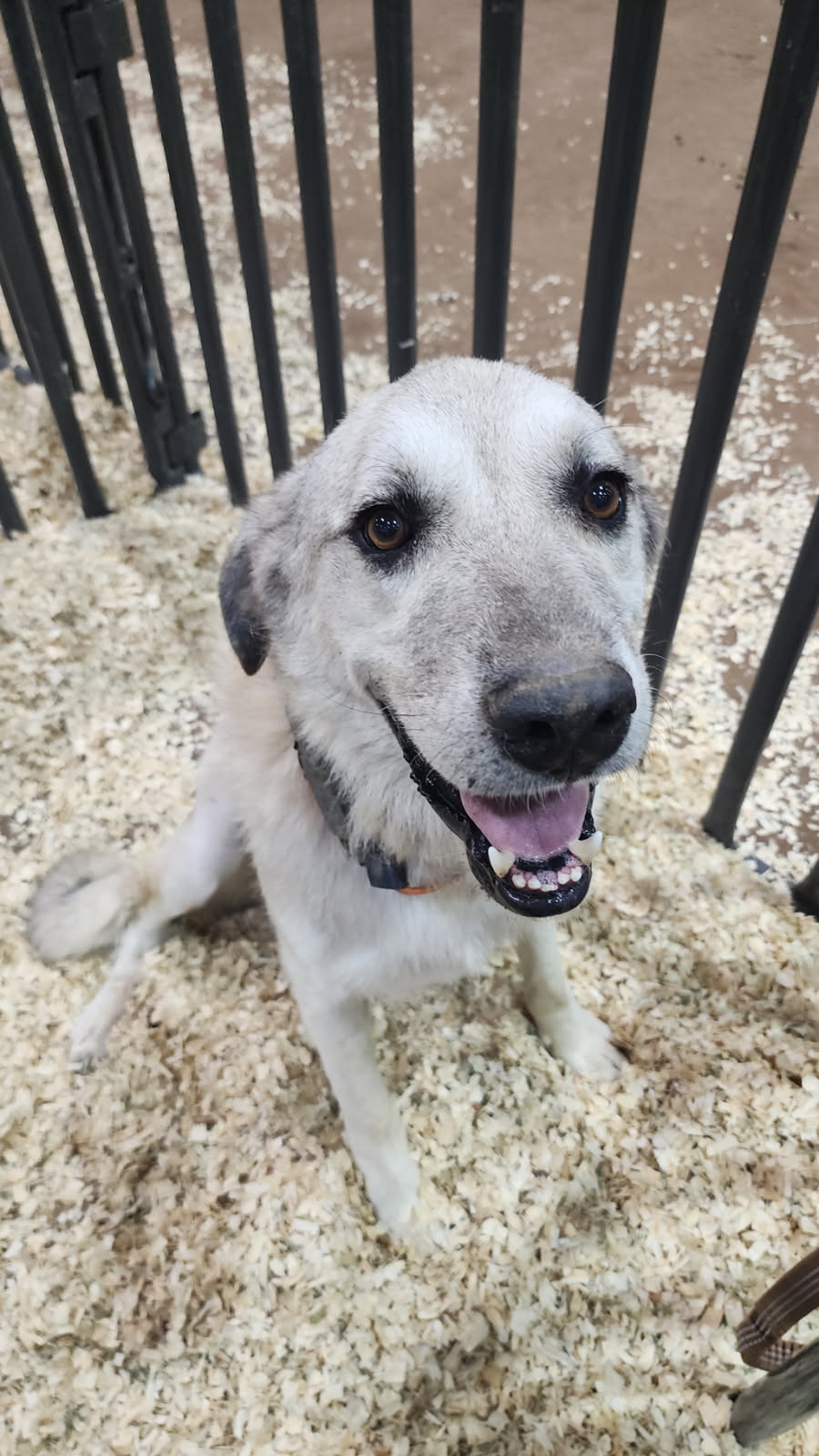
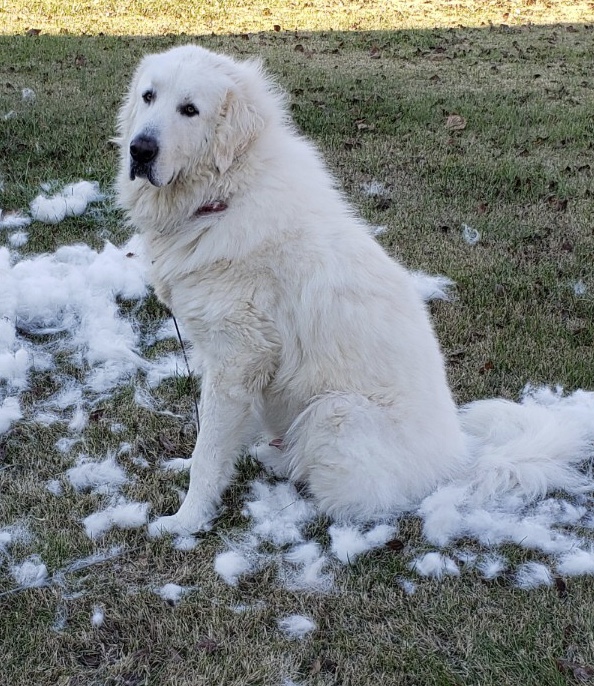
LGD Larry a Maremma at a cooperating producers ranch. Maremma tend to stay close to their charges. Photo courtesy of Costanzo, 2020.
the mornings and evenings, they are typically most active. Barking serves as their main deterrent, escalating from distant alarm calls to aggressive posturing if threats get too close. When needed, they will directly confront intruding predators. Guardians also vary in how they patrol. Some stay close to their charges, others circle along fence lines, and many switch between both patterns. When multiple dogs work together, they often divide roles to create a coordinated defense.
Behavioral Traits and Prey Drive
Effective LGDs differ significantly from hunting or herding dogs. They are selected for their low prey drive, which reduces the likelihood of chasing or harming livestock. Instead, their behavior is based on protective pack instincts, viewing the livestock as part of their social group. Extension programs emphasize three main traits: vigilance, protective response, and reliability with stock. A good guardian dog should be alert to its environment, quick to deter threats, and dependable in its interactions with animals and people.
Development and Neoteny
Canine evolution through domestication has prolonged neoteny, the retention of juvenile traits into adulthood. In LGDs, this is evident not only in their behavior but also in their physical appearance. Many guardian breeds retain features such as floppy ears, curled tails, and softer expressions, which distinguish them from wolves or coyotes. These traits may help livestock accept them more easily as “not-predators,” reinforcing their role within the herd.
Delayed fear responses are another result of neoteny. While wild canids develop fear of strangers within weeks, LGDs stay open to forming social bonds for several months. This extended period allows for closer interaction with livestock and the development of lifelong bonds.
Lessons from Research on Predatory Patterns
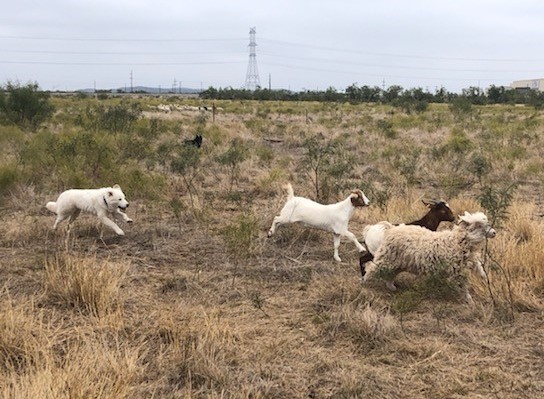
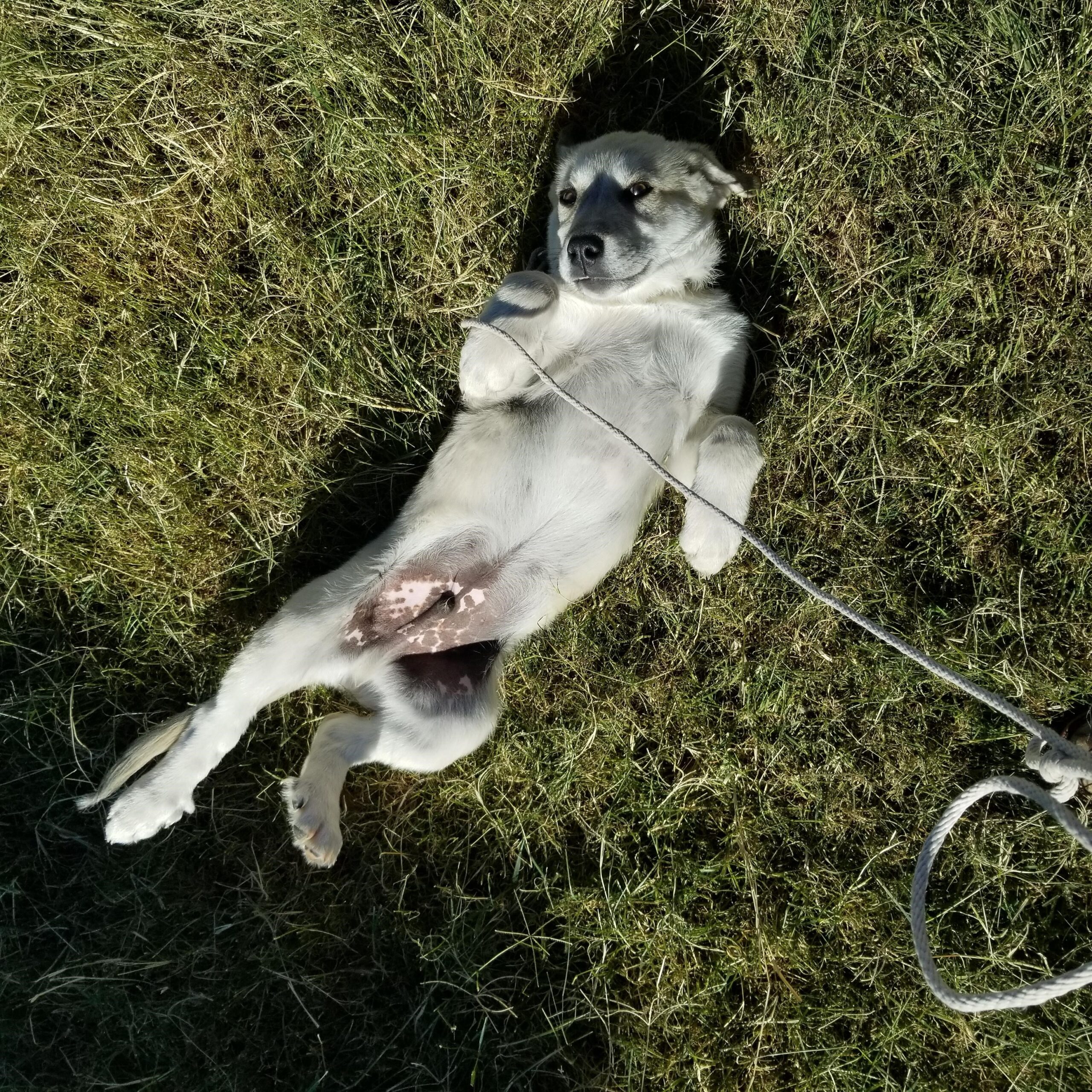
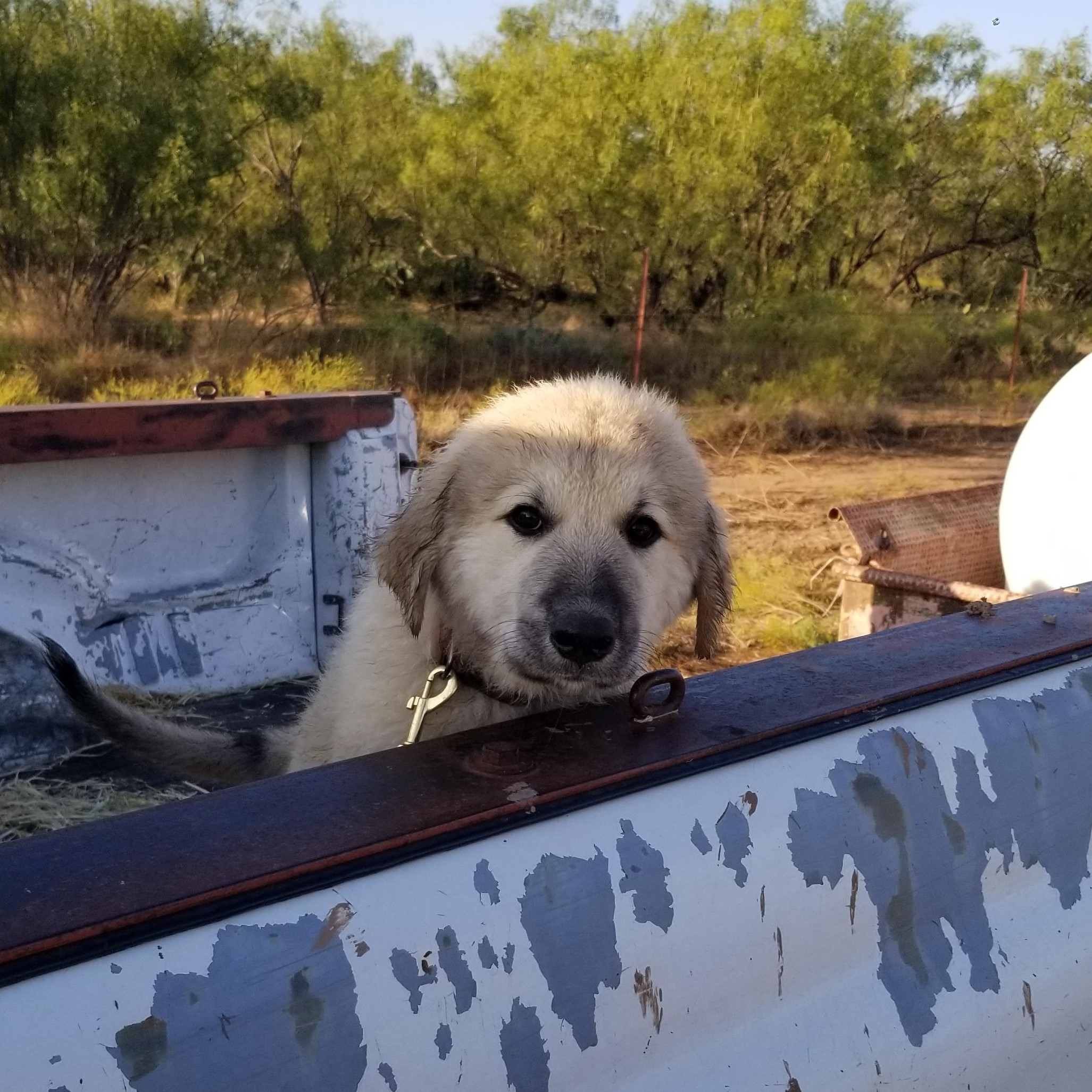
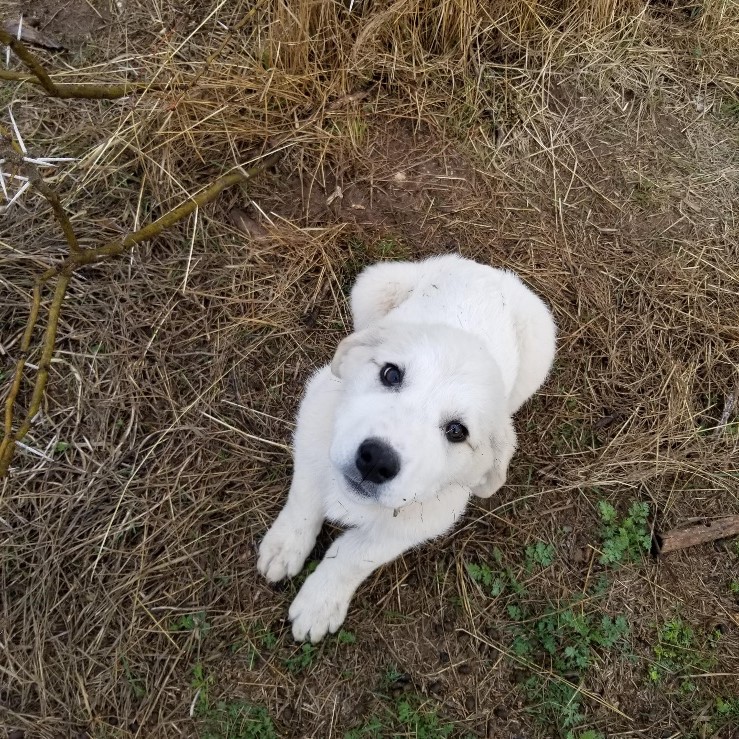
Adolescent LGD Curly chasing stock at the AgriLife Center. Photo courtesy of Costanzo 2020
Coppinger’s studies showed how early experiences influence behavior. In one example, a Border Collie puppy raised directly with sheep struggled later as a working herding dog because it did not develop the sustained focus typical of its breed. This demonstrates how rearing environments during sensitive periods can change or suppress specific behavioral patterns.
Coppinger also noticed that some LGDs briefly show parts of the predatory chase sequence. If pups are removed or corrected quickly, however, this behavior usually disappears for good. This emphasizes the need for careful management during puppyhood to prevent unwanted predatory behaviors from becoming reinforced.
Finally, Coppinger highlighted that successful guardian breeds are those with inherently weak predatory sequences. In these dogs, behaviors like chasing that are not rewarded tend to disappear during development, making them dependable protectors instead of hunters.
Livestock guardian dogs are an ancient, specialized tool that continues to play a vital role in modern livestock farming. Their effectiveness relies not only on centuries of selective breeding but also on careful management during their early months. Proper bonding, socialization, and training ensure that LGDs become attentive, protective, and dependable guardians. When managed well, these dogs help reduce predation, enhance flock security, and strengthen the bond between livestock producers and their herds.
Adult Dogs and Bonding Project Update
Round 7 Pups
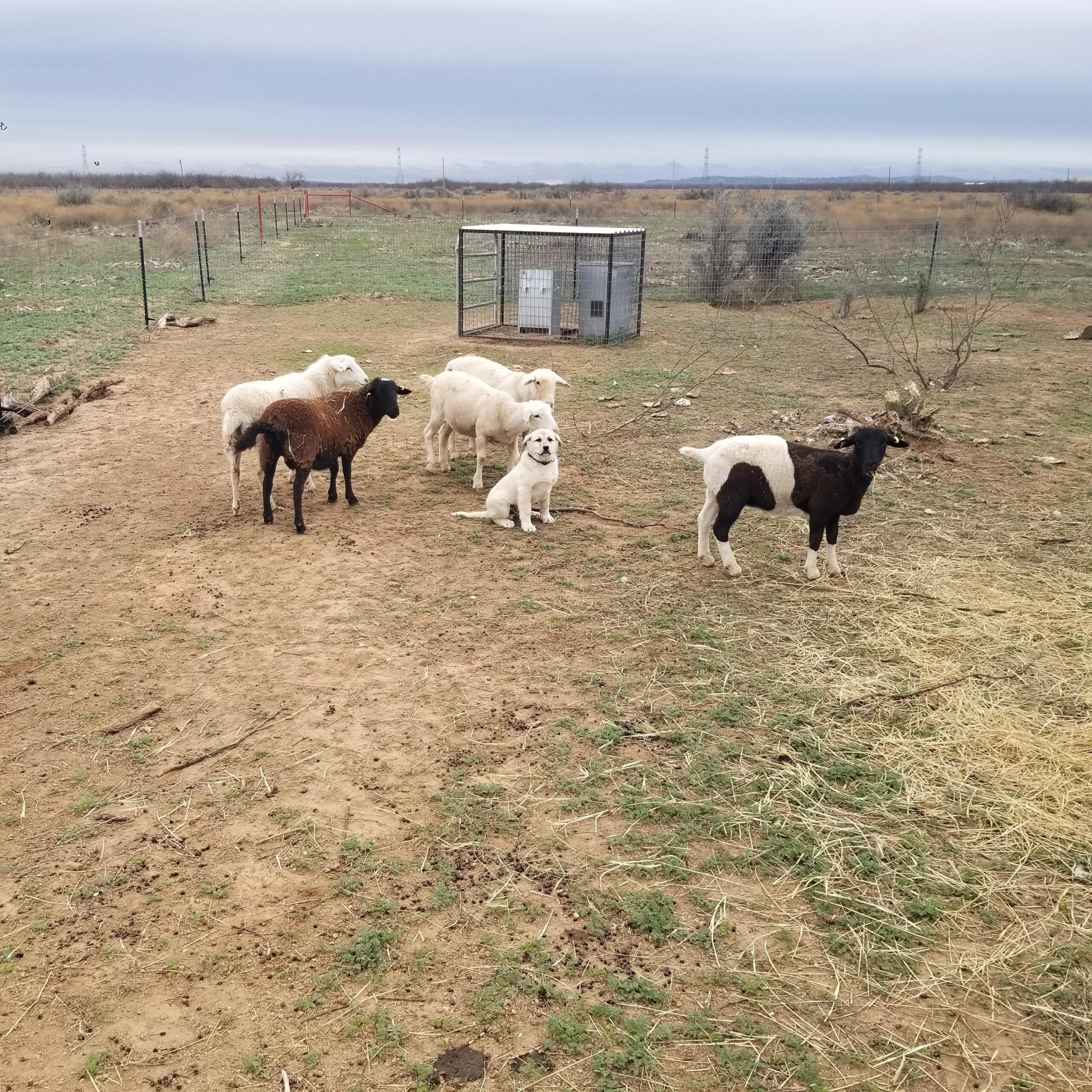
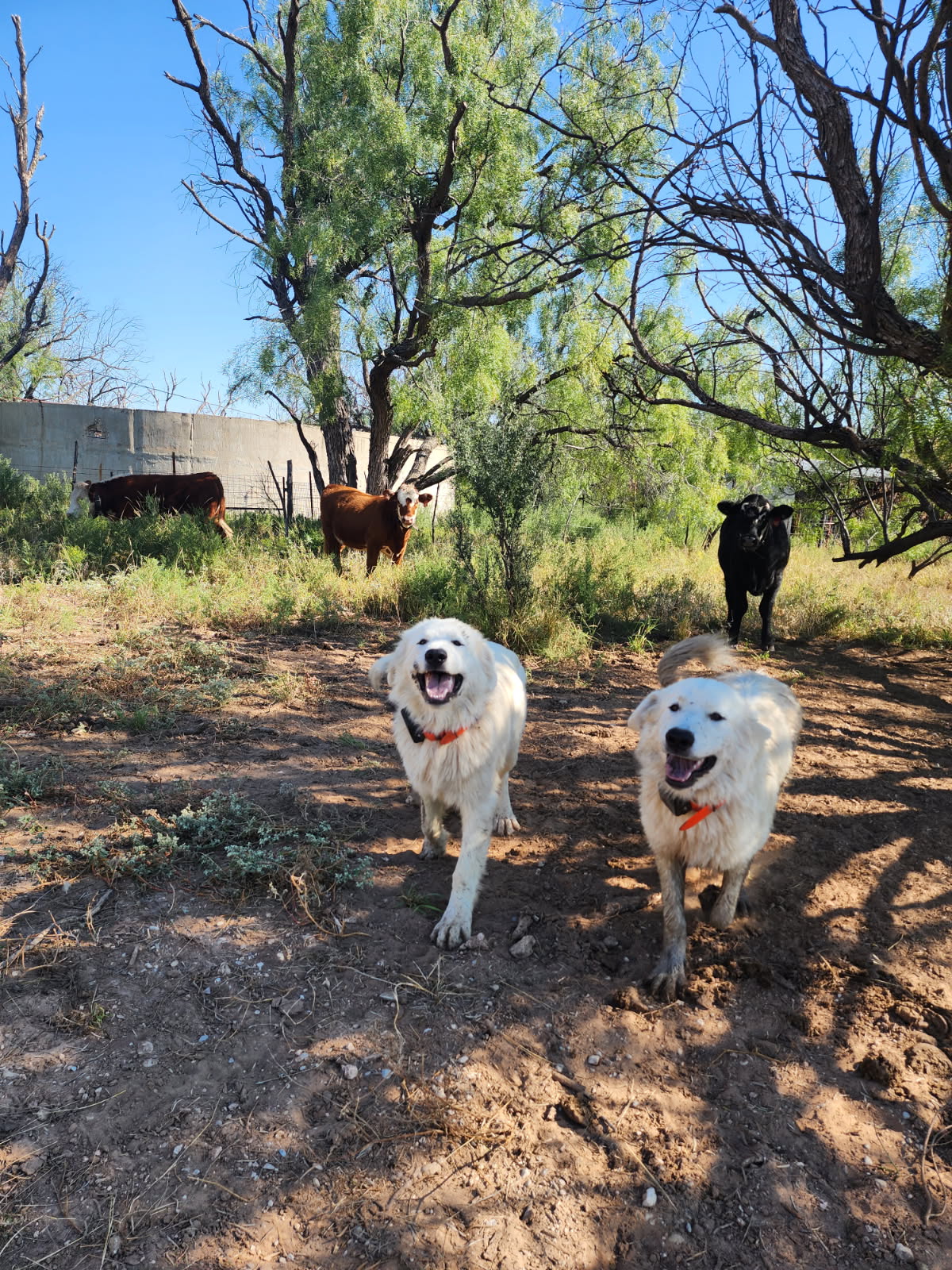
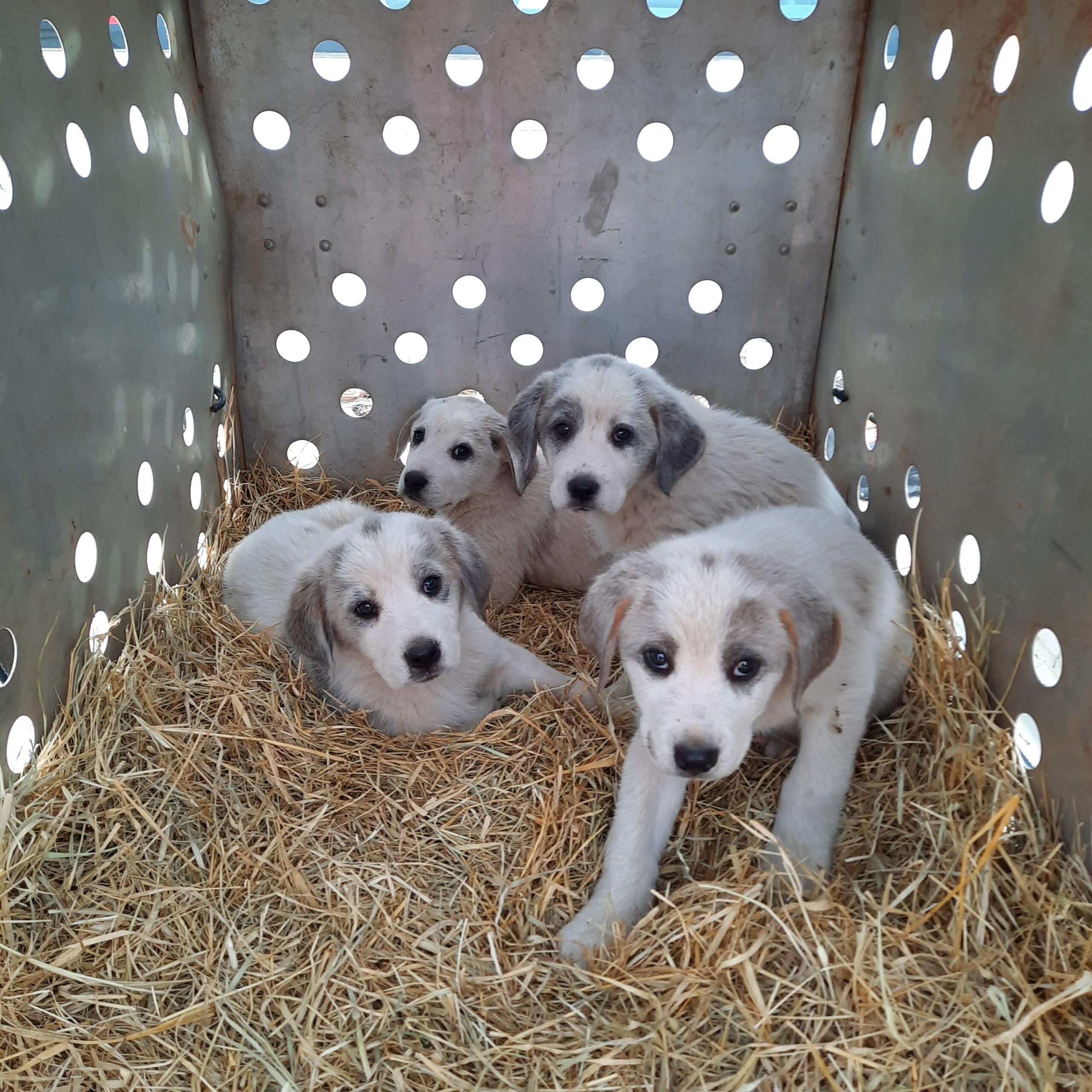
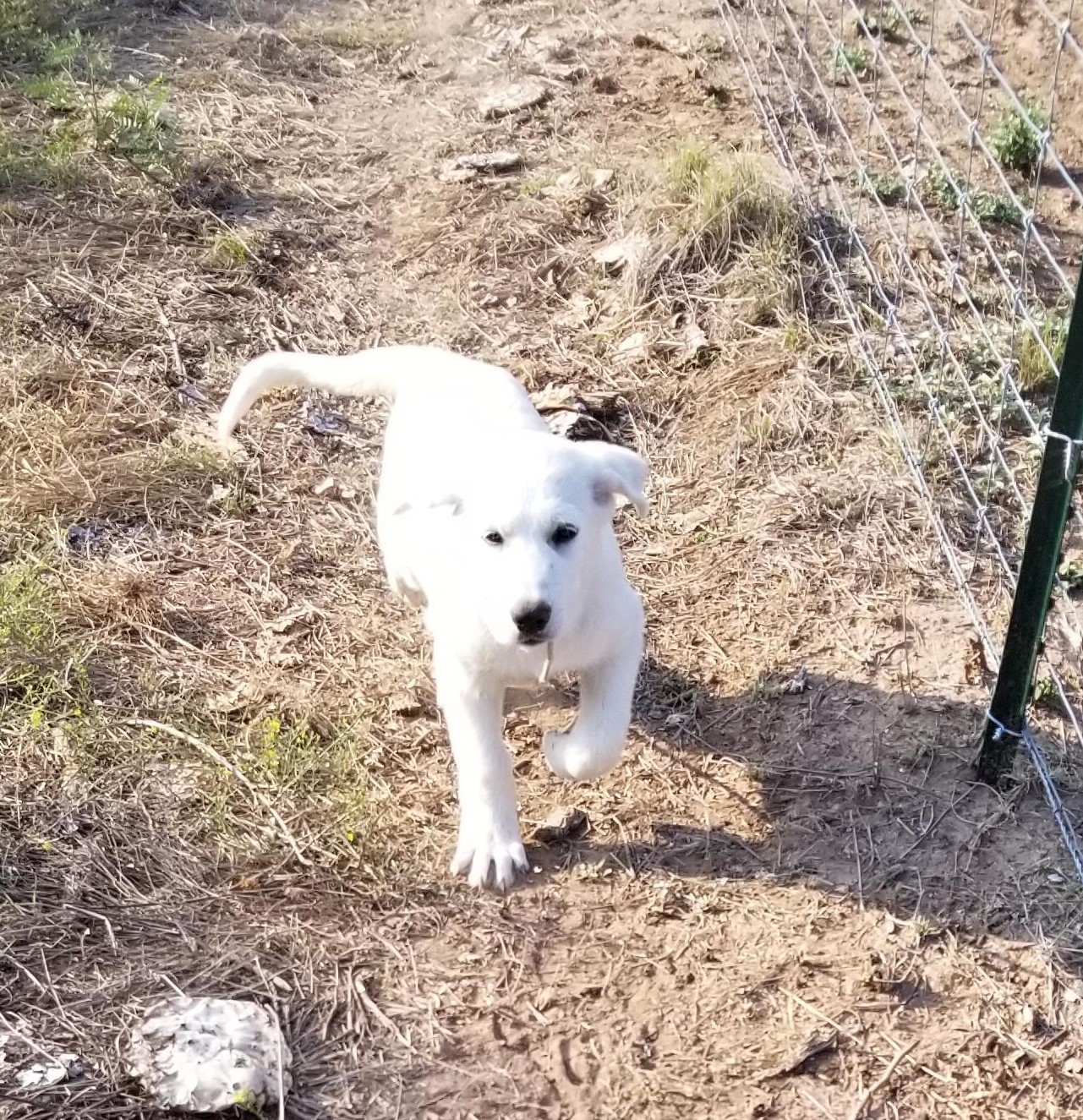
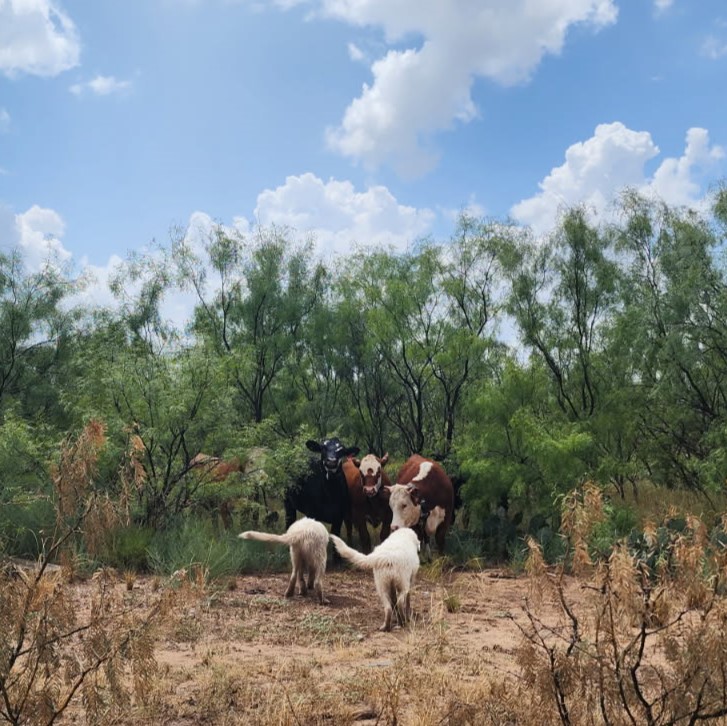
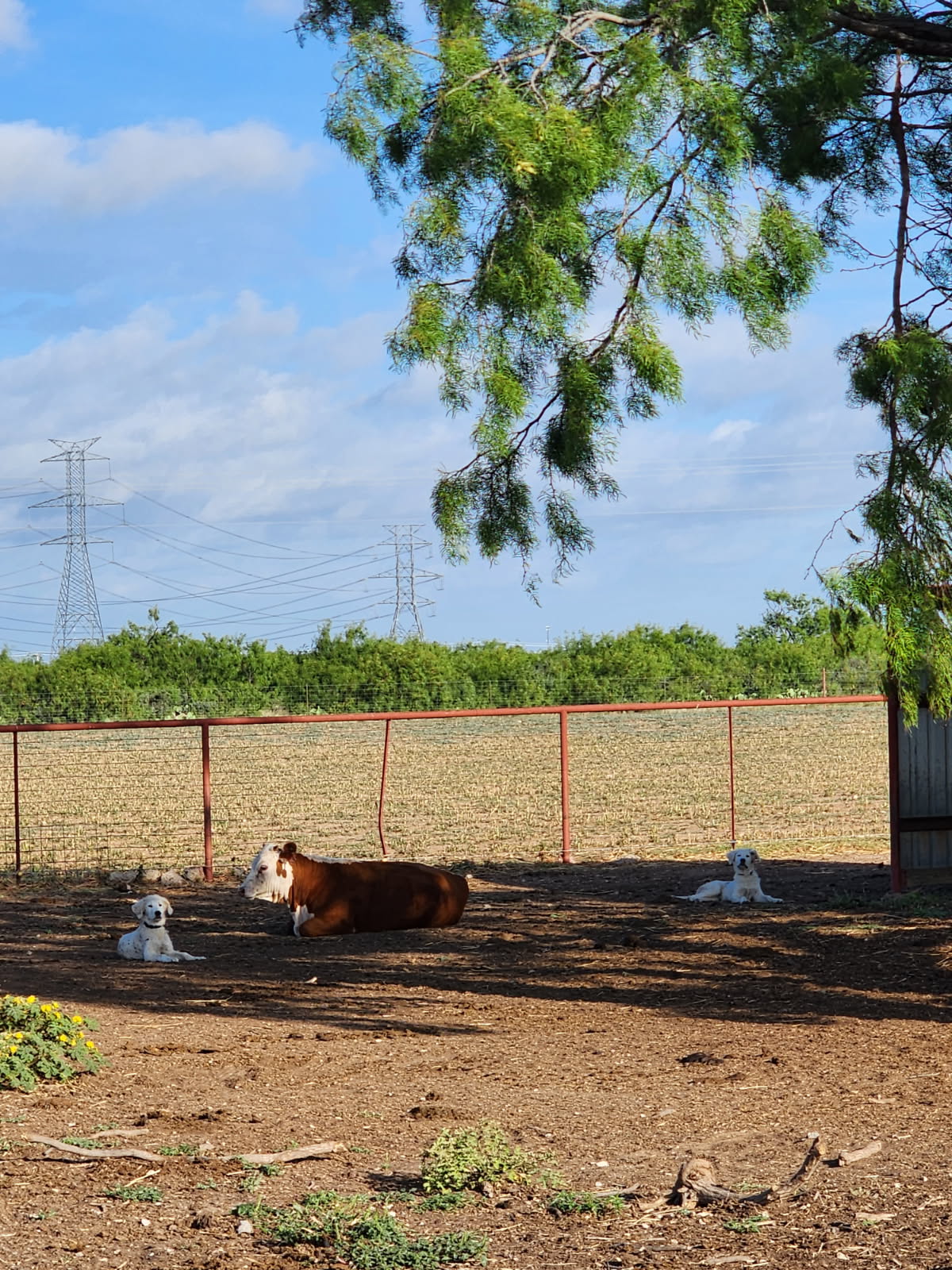
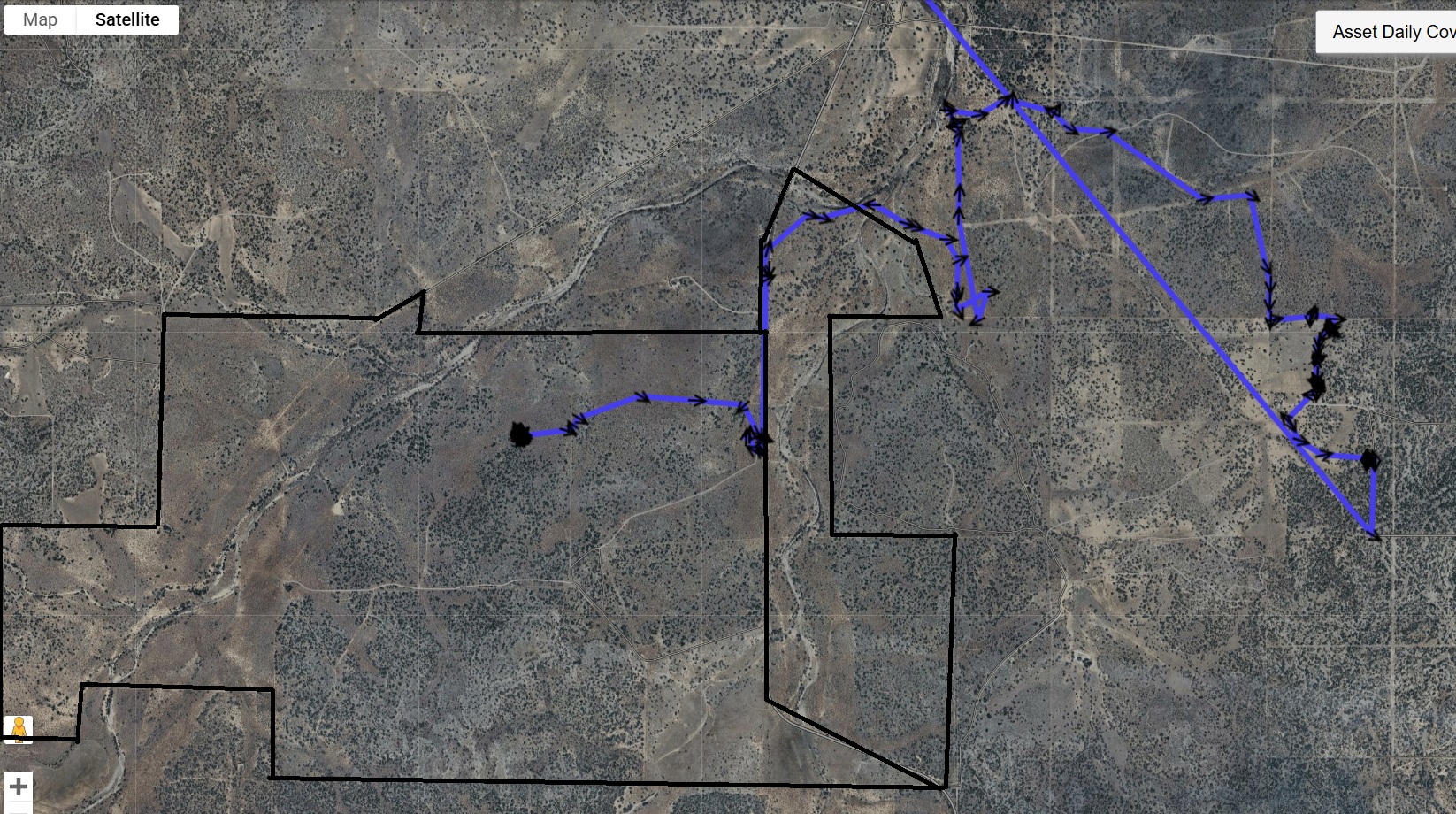
The pups did not do well with the pasture move we made in early November. Two of the pups (Duke and Dozer) decided to meet some of our adult LGDs in a neighboring pasture. The four dogs then found a fallen gate and traveled to Angelo State pastures to visit the LGDs they have. Luckily, we had some hunts during the month, which allowed frequent kennel visits of 4 to 5 days, which stopped the roaming and visits. We also moved the dogs back to their original pasture locations, which has helped prevent Duke and Dozer’s roaming behavior. Sometimes it may be best to leave things that are not broken alone!

The Duke and Dozers travels during one day in November when they decided to visit their neighbors! AgriLife photo courtesy of Costanzo, 2025.
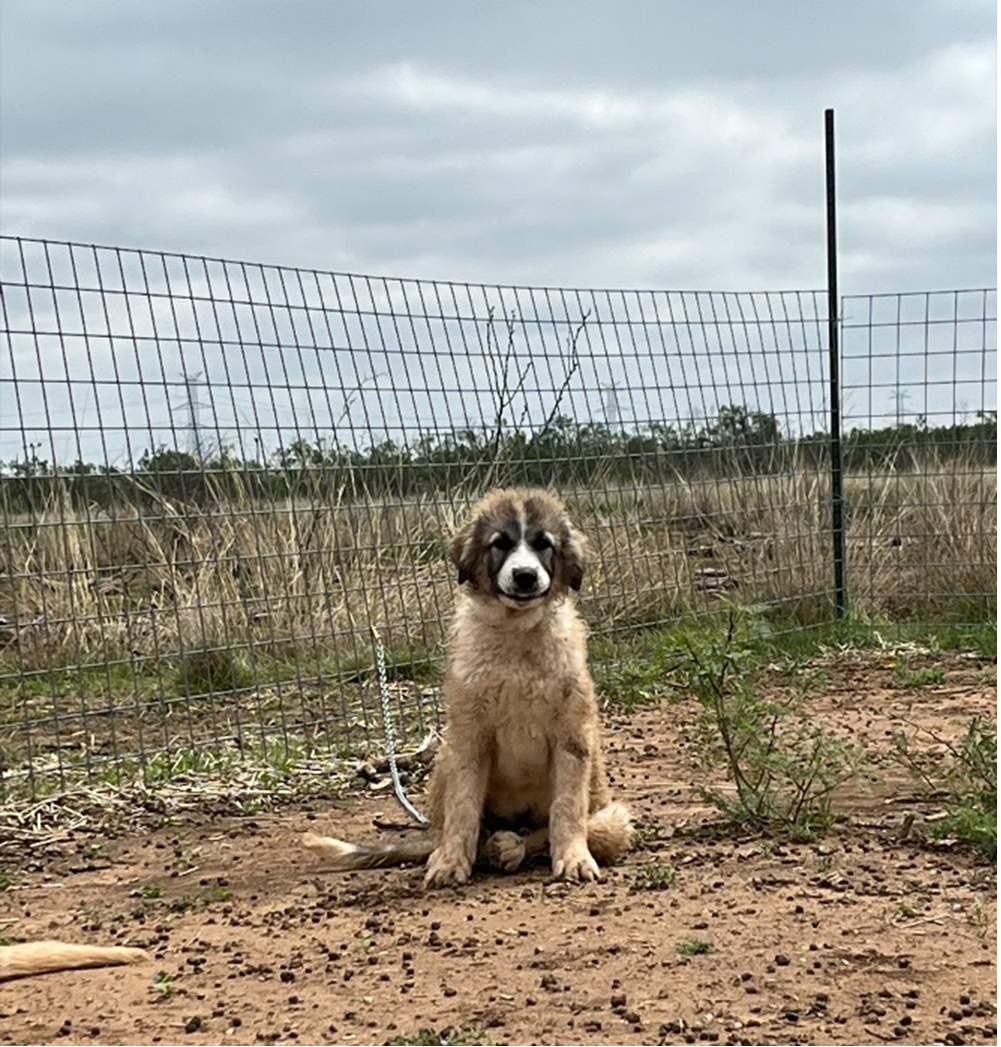
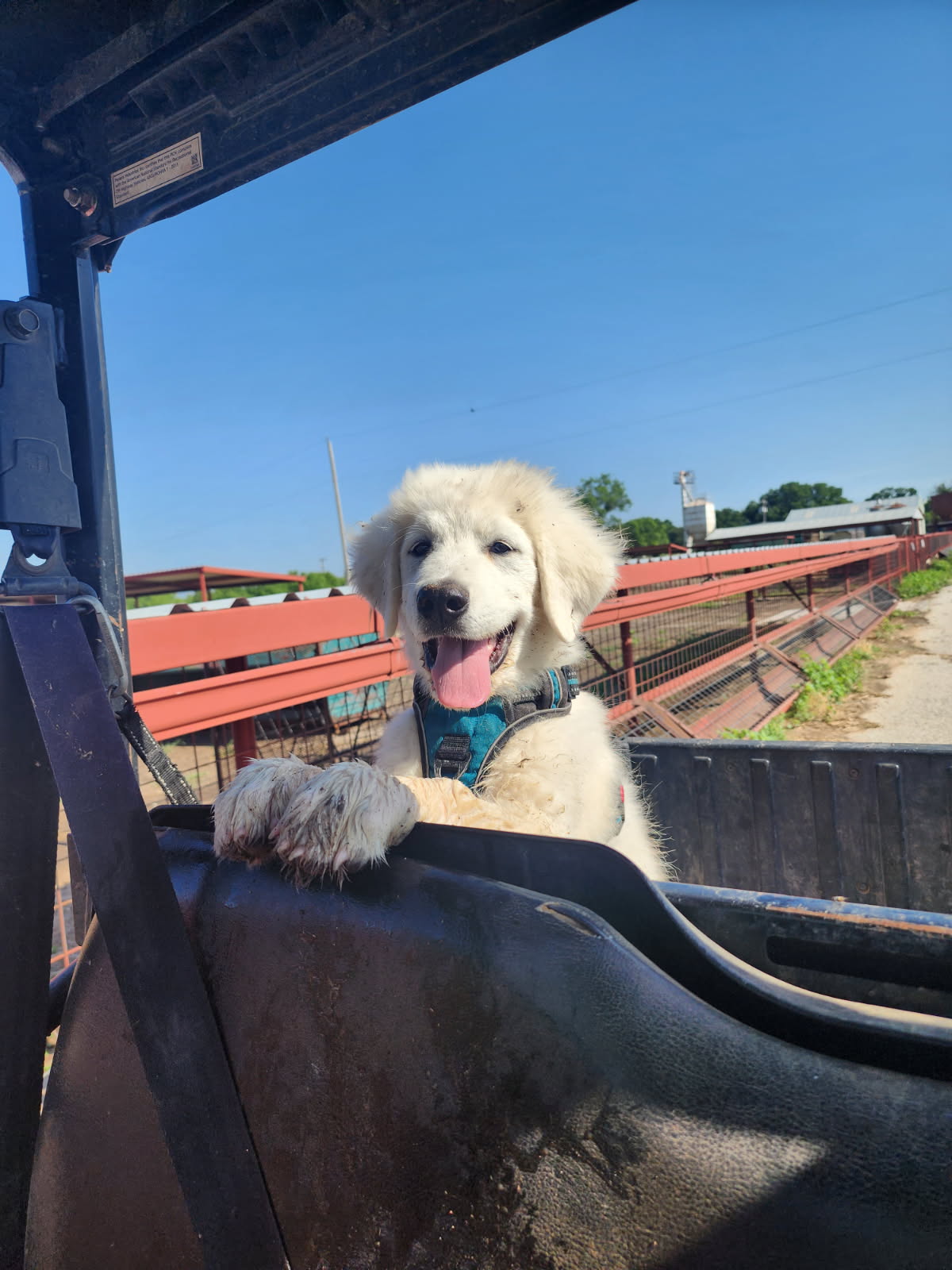
The pups have been doing well now that they have settled back down in their old pasture locations. They are getting big and staying close to the cattle except when one of our other LGDs at the Center comes for a visit. This has caused the pups to hang out with those dogs a few times, but we are working through those issues and patching holes in the fences.
If you are in Dalham County, TX, Cimarron County, OK, or Union County, NM, and are interested in participating in this unique project, please contact me at bill.costanzo@ag.tamu.edu.
In closing
 Do you have any feedback about this article, or would you like to propose topics for future articles, webinars, or workshops? Please do not hesitate to contact me at bill.costanzo@ag.tamu.edu or 325-657-7311.
Are you seeking information on LGDs? Please visit our website, which features factsheets, global research on LGDs, and case studies we have conducted.
Follow us on our social media platforms and share them with your friends and family!
Facebook, Instagram, YouTube: TAMUlivestockguarddog
 Be sure to visit the Texas LGD Association online! You can follow the organization on Facebook or YouTube under @TexasLGDAssociation or visit its website.
Texas A&M AgriLife provides equal opportunities in its programs and employment to all persons, regardless of race, color, sex, religion, national origin, disability, age, genetic information, veteran status, sexual orientation, or gender identity. The Texas A&M University System, U.S. Department of Agriculture, and the County Commissioners Courts of Texas Cooperating.